SEO services
 Google Ads
In this case study we share our experience of how we successfully launched PPC ads in the fairly competitive auto accessories niche.
SEO Case Studies & Guides
Google Ads Case Study: Auto Accessories Store, 485% ROAS
Auto accessories
/01/
/01/
Site type:
online store
/02/
/02/
Business niche:
auto accessories
/03/
/03/
Regions:
Ukraine
/04/
/04/
Services:
Google Ads
/05/
/05/
Objective:
product sales
Background information
The owner of an online auto accessories store came to us with the task of increasing sales through Google Ads PPC.
During the initial site review, we saw that the store had some obvious issues:
not all products were published in the catalog;
the order functionality wasn't working properly;
poor product card content;
minor layout errors on the site.
What was working:
solid mobile version of the site;
experienced sales managers;
a broad product selection;
their own warehouse;
fast delivery;
their own showroom in Kyiv.
PPC launch strategy
After the initial site review, we put together the action plan:
online store analysis;
search demand analysis;
ad campaign setup.
Work stages
Online store analysis
After a quick review of the site, we decided to run a detailed audit of the online store to spot all the critical issues that could hurt the conversion rate.
The critical issues we identified during the detailed analysis were:
layout errors on the site (button text was misaligned, headings on the mobile version went off-screen, fonts in the cart were too small, oversized text previews above the product listing);
functionality issues (the "buy in 1 click" form wasn't working, there was an error when ordering two or more products, sorting wasn't working);
usability recommendations (add delivery and payment info and display the shipping company logo in the listing, add a "buy in 1 click" button to the product listing, add showroom photos, improve product image display on the mobile version of the site).
We wrote up all the fixes and recommendations in a separate document with detailed instructions for the developers, designers, and content managers.
Search demand analysis
We started by going deep into the store's product range and worked with the client to identify the priority product categories for advertising.
One of those categories was car wheel caps, which were represented by three brands.
We took a highly detailed approach to keyword research for the search ads, preparing keywords across the following types:
by wheel diameter;
by brands;
by car makes.
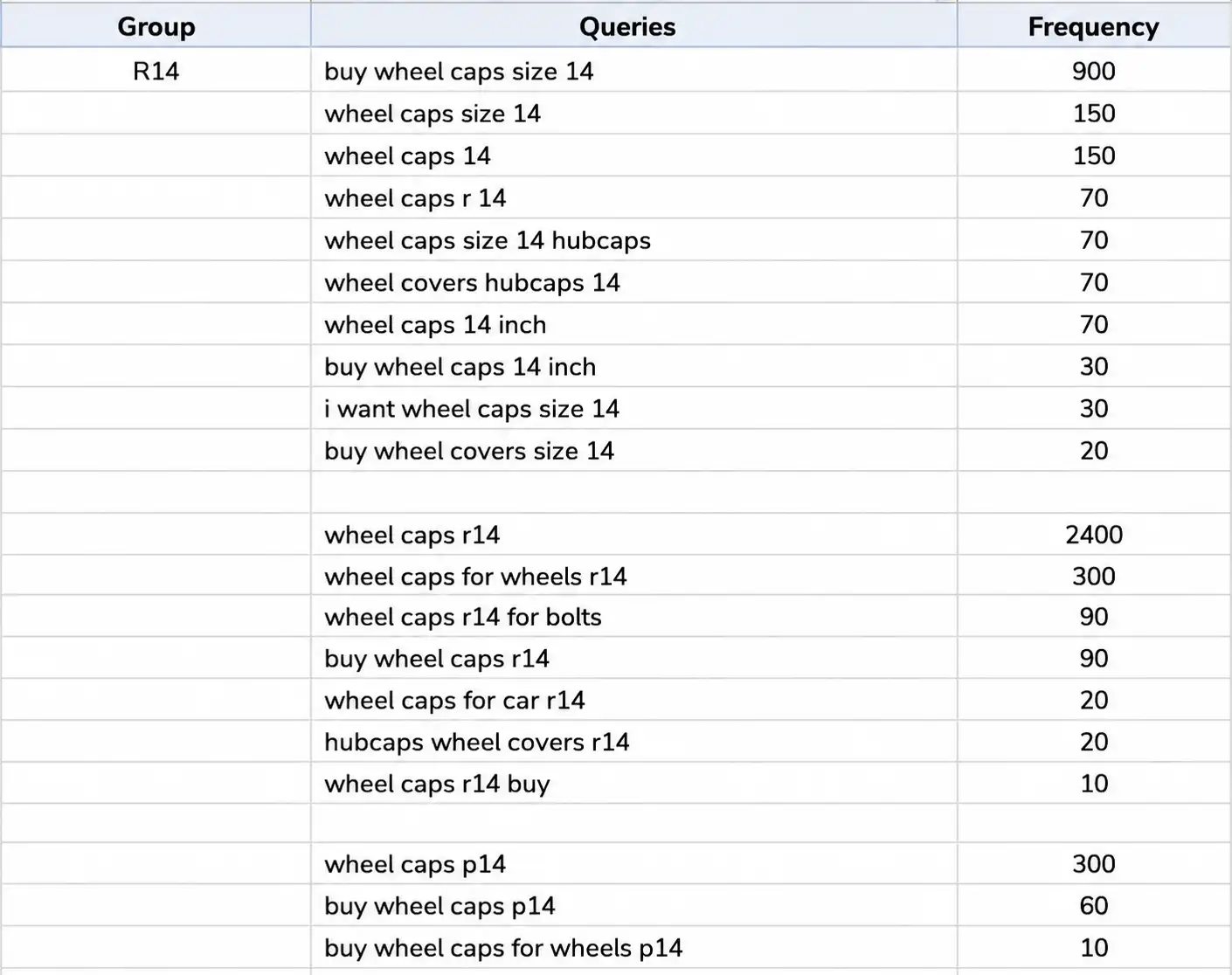
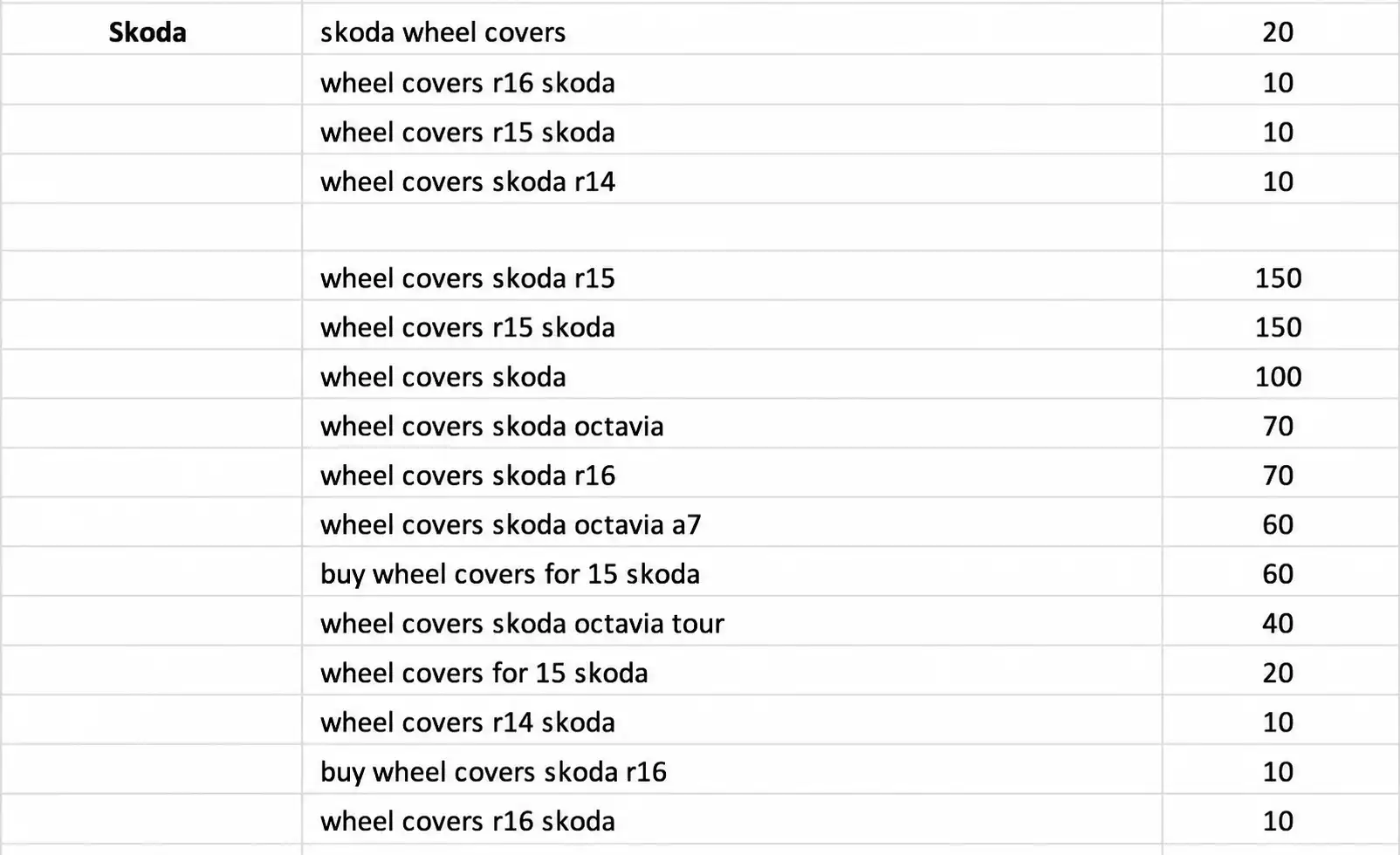
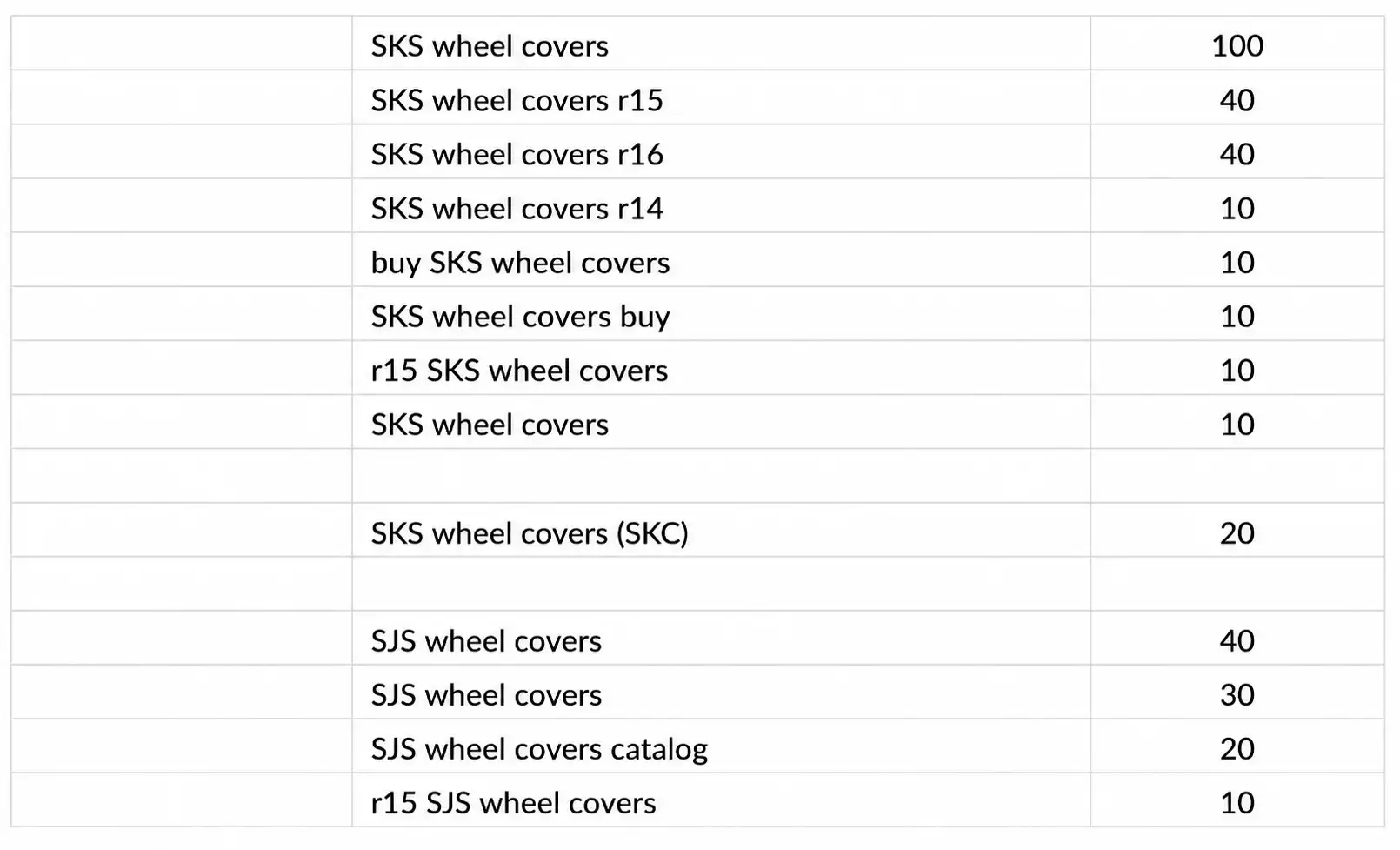
We planned the ad account architecture based on the gathered search queries:
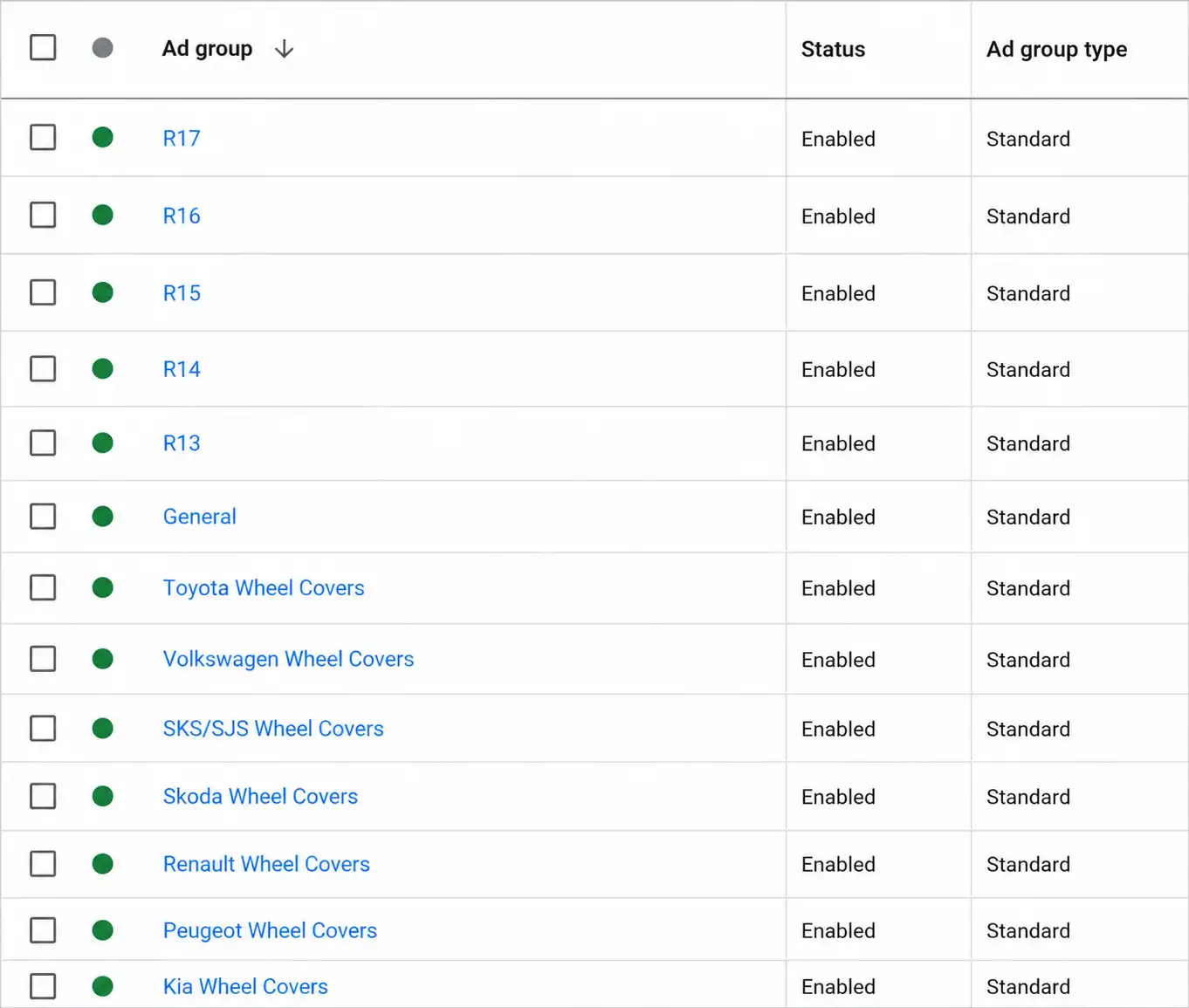
This approach to structuring the ad account is useful because it lets us:
quickly navigate the ad campaigns;
make targeted adjustments on the fly;
easily track the performance of individual campaigns / ad groups;
scale the account without getting lost in its structure.
Setting up the ad campaigns
While setting up and launching the campaigns, we did the following work:
created and configured search ad campaigns with all the necessary settings in place;
created ad groups within each campaign, splitting them according to the search query clusters;
added keywords in phrase match;
worked through negative keywords and built lists;
hooked up site audience collection for remarketing campaigns;
set up conversion tracking;
connected Google Merchant Center.
Result
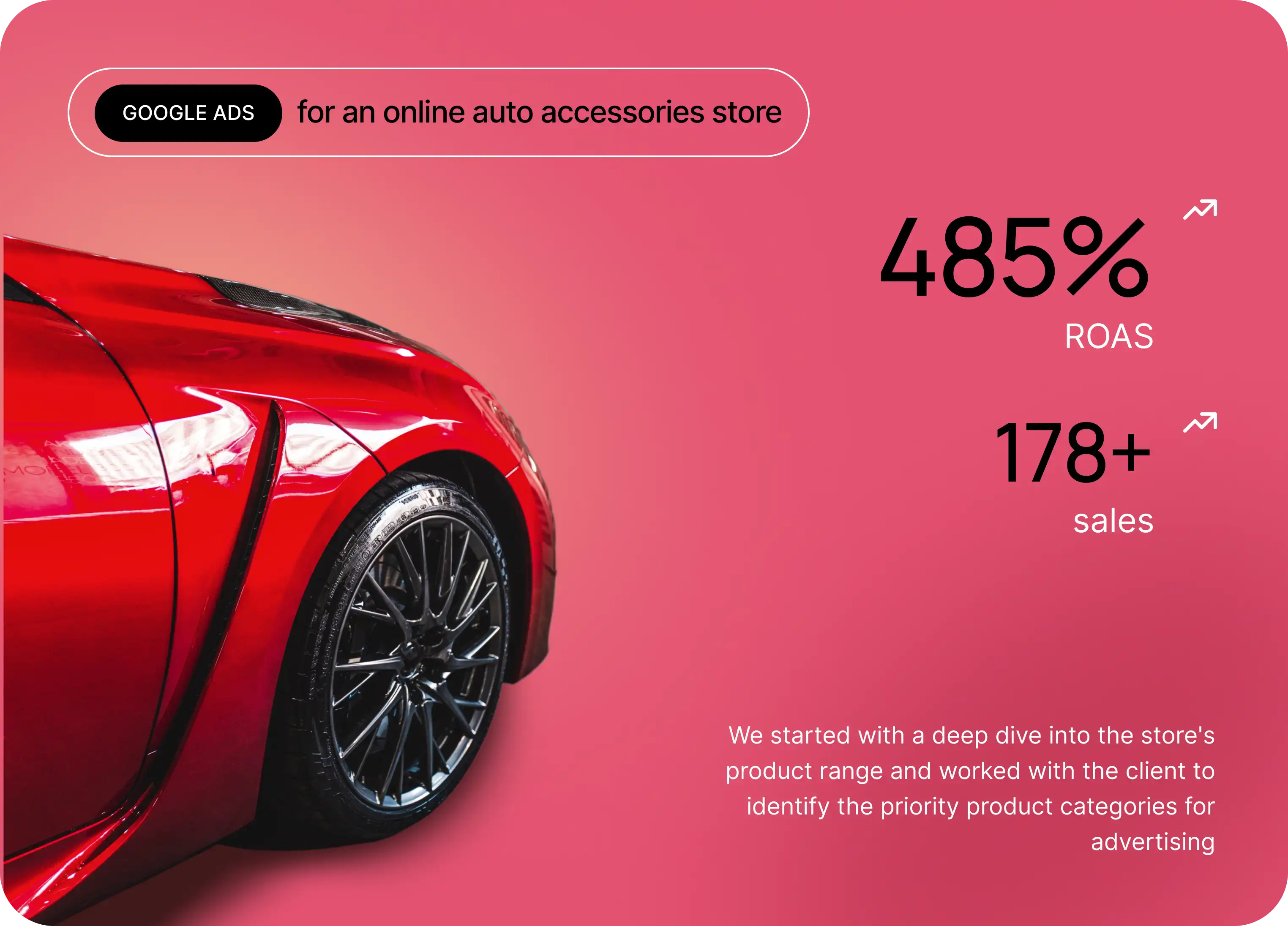
Our work delivered a high ROAS and a steady flow of sales through the ad channel.
/ ROAS:
485%
/ Sales:
178
Next steps
For the next stages of the partnership, we've planned the following work:
launching dynamic remarketing;
launching Gmail remarketing;
improving the performance of product campaigns;
launching remarketing with promotional offers.
Related case studies
Auto parts
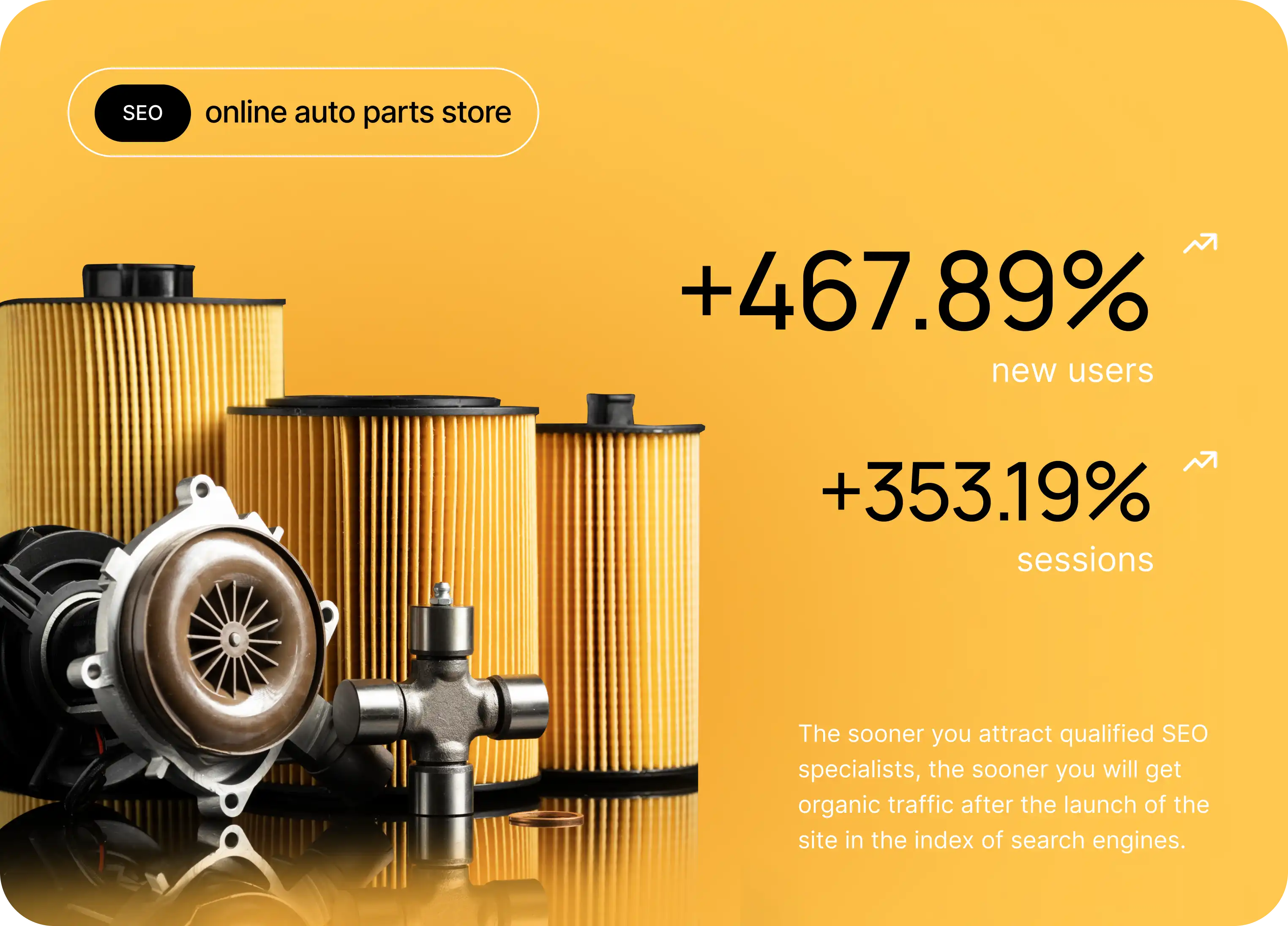
E-commerce SEO Case Study: Auto Parts Store
Auto parts store SEO case study: how a smart site structure, a strong semantic core, and step-by-step optimization of hundreds of thousands of pages delivered steady organic traffic.
Read more: E-commerce SEO Case Study: Auto Parts Store
 E-commerce SEO Case Study: Auto Parts Store
IT company
SEO for IT Companies: Case Study
First, let's clarify what makes an IT company different from a regular one. Can you call any company that uses computer technology in its work an IT company?
Read more: SEO for IT Companies: Case Study
 SEO for IT Companies: Case Study
SaaS
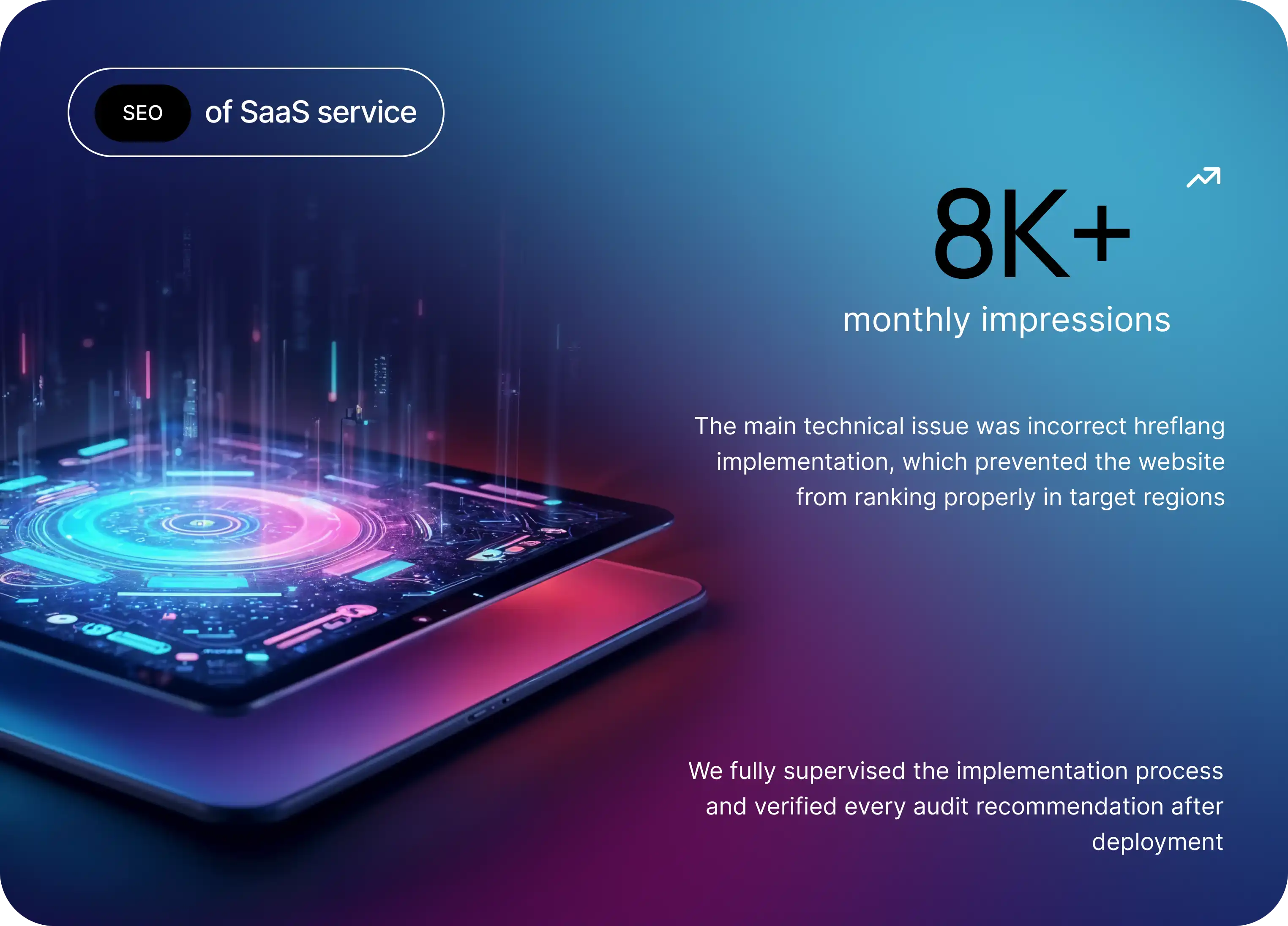
SaaS SEO Case Study: Promoting a SaaS Service Internationally
SaaS SEO case study: how a full technical audit, hreflang setup, and a steady backlink strategy helped an international SaaS service grow in Norway, the US, and the UK.
Read more: SaaS SEO Case Study: Promoting a SaaS Service Internationally
 SaaS SEO Case Study: Promoting a SaaS Service Internationally
Cosmetics
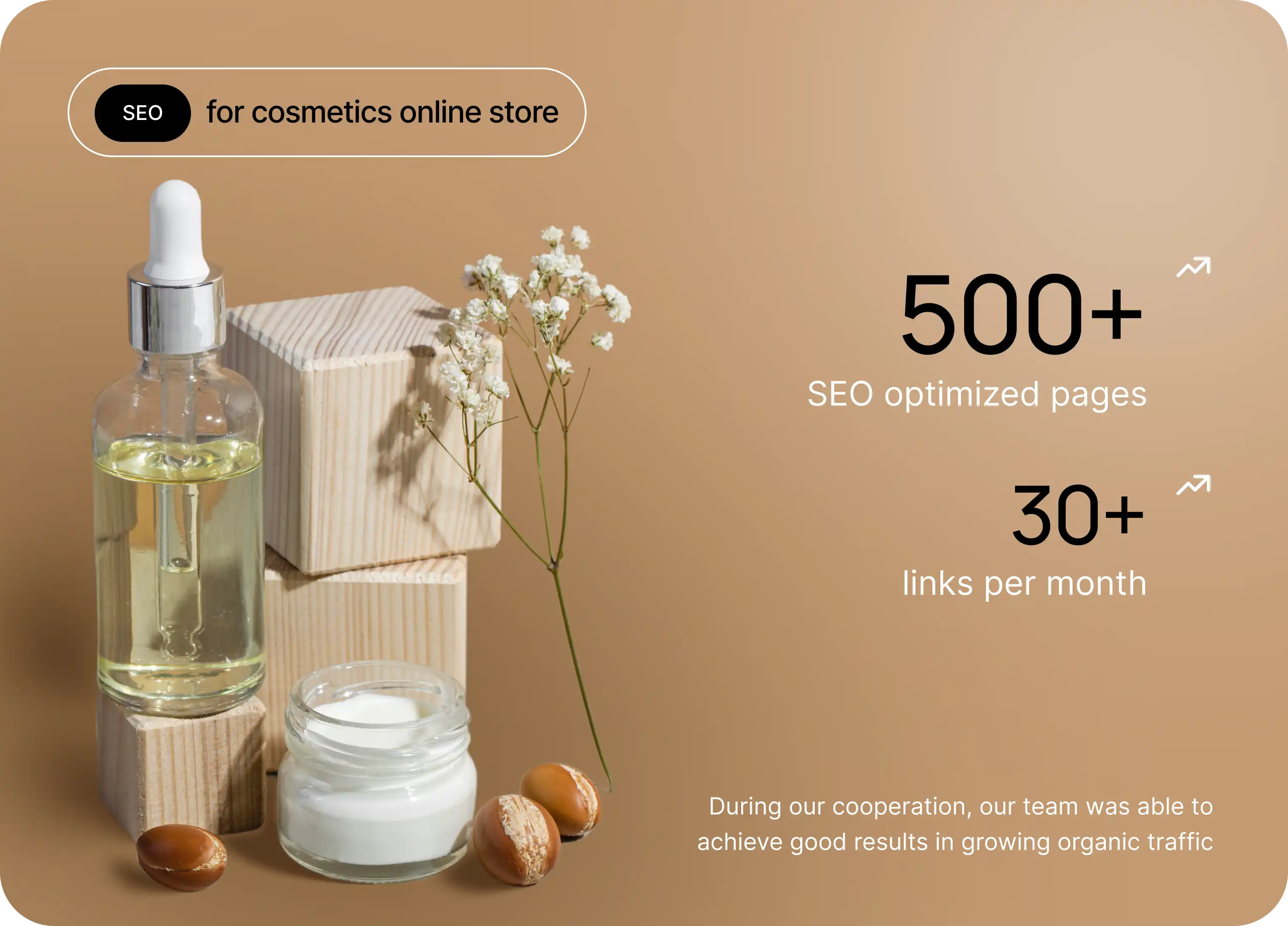
Cosmetics SEO Case Study: An Online Store Success
Cosmetics online store SEO case study: technical audit, optimization of 500+ pages, and a steady backlink strategy delivered solid growth in organic traffic.
Read more: Cosmetics SEO Case Study: An Online Store Success
 Cosmetics SEO Case Study: An Online Store Success
Mattresses
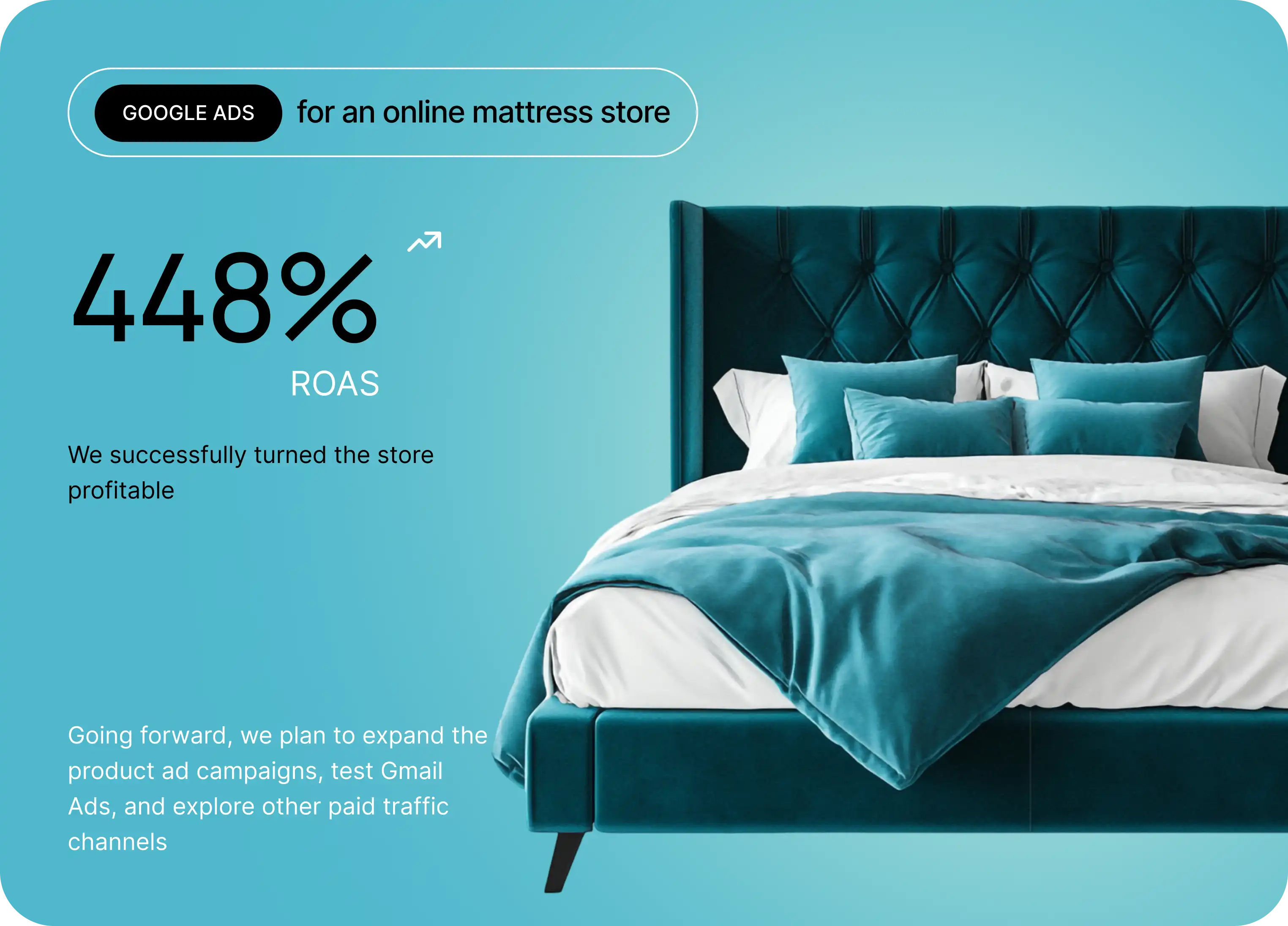
Google Ads Case Study: Mattress Online Store, 448% ROAS
 Google Ads Case Study: Mattress Online Store, 448% ROAS
Beauty
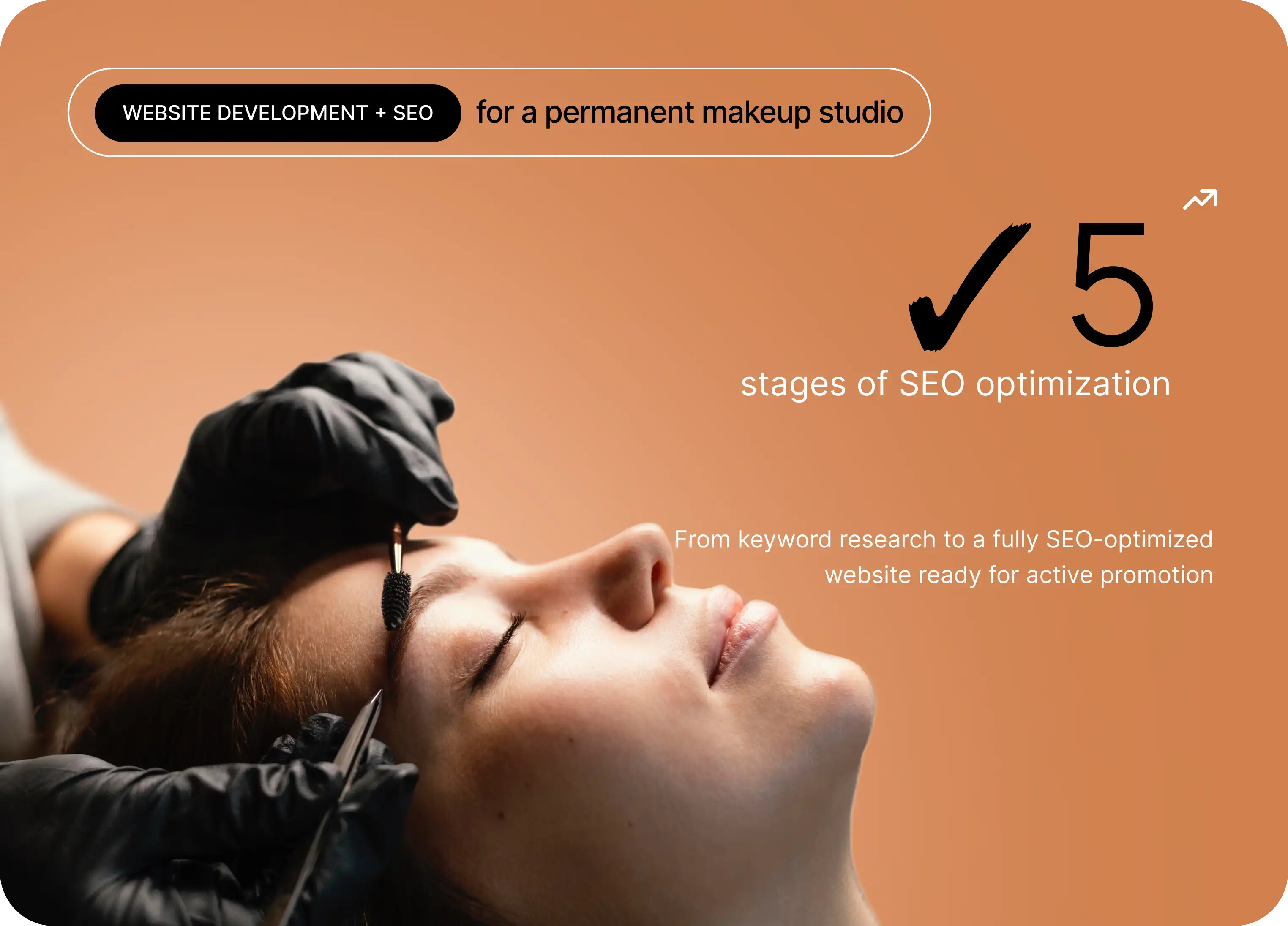
Permanent Makeup Studio SEO: Website Improvement Case Study
Permanent makeup studio website improvement case study: competitor analysis, usability fixes, SEO-optimized service pages, and an active promotion phase delivered solid results.
Read more: Permanent Makeup Studio SEO: Website Improvement Case Study
 Permanent Makeup Studio SEO: Website Improvement Case Study