SEO services
 Google Ads
In this case study we describe a situation where a cosmetics online store had already been built but was still closed off from search engine indexing. At that point the site was getting only direct traffic from Instagram and Facebook.
SEO Case Studies & Guides
Cosmetics SEO Case Study: An Online Store Success
Cosmetics
Cosmetics online store SEO case study: technical audit, optimization of 500+ pages, and a steady backlink strategy delivered solid growth in organic traffic.
/01/
/01/
Site type:
online store
/02/
/02/
Business niche:
cosmetics retail
/03/
/03/
Regions:
Ukraine
/04/
/04/
Services:
SEO
/05/
/05/
Objective:
site indexing, SEO traffic growth
Background information
The cosmetics online store was built on Bitrix CMS with a fully stocked product catalog and a dedicated brands section. When we started working together, the store's domain was new with no prior history. The site was closed off from search engine indexing and effectively had no rankings or organic traffic at all.
What was working:
a clean domain with no history;
a broad product range;
an in-house dev team;
the site hadn't been indexed yet with its errors in place.
What needed work:
slow site loading speed;
a lot of duplicate catalog pages;
no schema markup;
no way to optimize site categories and subcategories;
page markup issues.
SEO strategy for the cosmetics online store
After analyzing the current state of the site and going through the client's goals in detail, we put together a detailed action plan that covered:
technical audit;
structural analysis;
usability analysis and recommendations;
SEO optimization of catalog categories and brand pages;
product page optimization recommendations;
link building for the store.
Work stages
Technical site audit
We ran a technical audit of the site and logged 24 critical issues. The analysis ran in two passes:
1st pass - manual review against our in-house checklist;
2nd pass - automated site check with an SEO crawler.
Once the technical audit was done, we put together a document where we logged every issue and wrote out detailed instructions for fixing each one.
Working with the dev team, we fixed every issue on the site.
Structural analysis and usability recommendations
The main issue with the site's structure was the lack of third-level categories. The site was being populated by content managers, and along the way they hadn't paid attention to the quality of the store catalog. As a result, the catalog was effectively unfit for SEO optimization on a broad semantic core.
The second part of the work at this stage was site usability analysis. On our side, we put together recommendations for improving the category, product, and home pages.
SEO optimization of site sections
We put together a broad semantic core (over 1,500 queries) and distributed them across landing pages.
For the priority categories, we prepared briefs for the copywriters to write SEO copy. For all the other categories, we wrote out title and description and built metadata templates for the product cards.
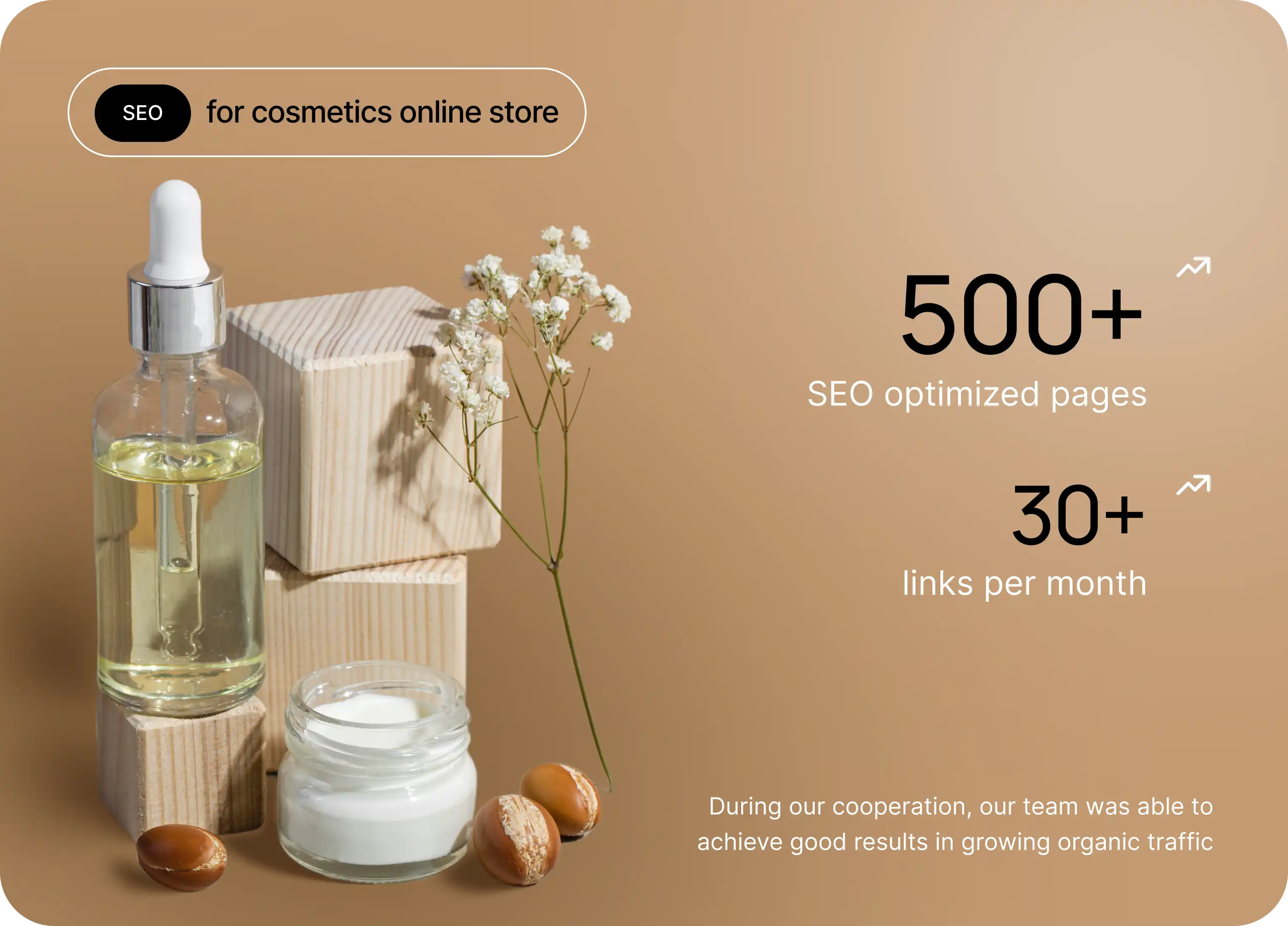
Through the on-page SEO work, we got around 500 pages handled in the first months plus template-based optimization of the products.
Link building
The link campaign started with building up crowd links in the first months - we were placing around 30 links per month. Starting from the third month of the partnership, we added guest post link buying on quality donor sites.
Results
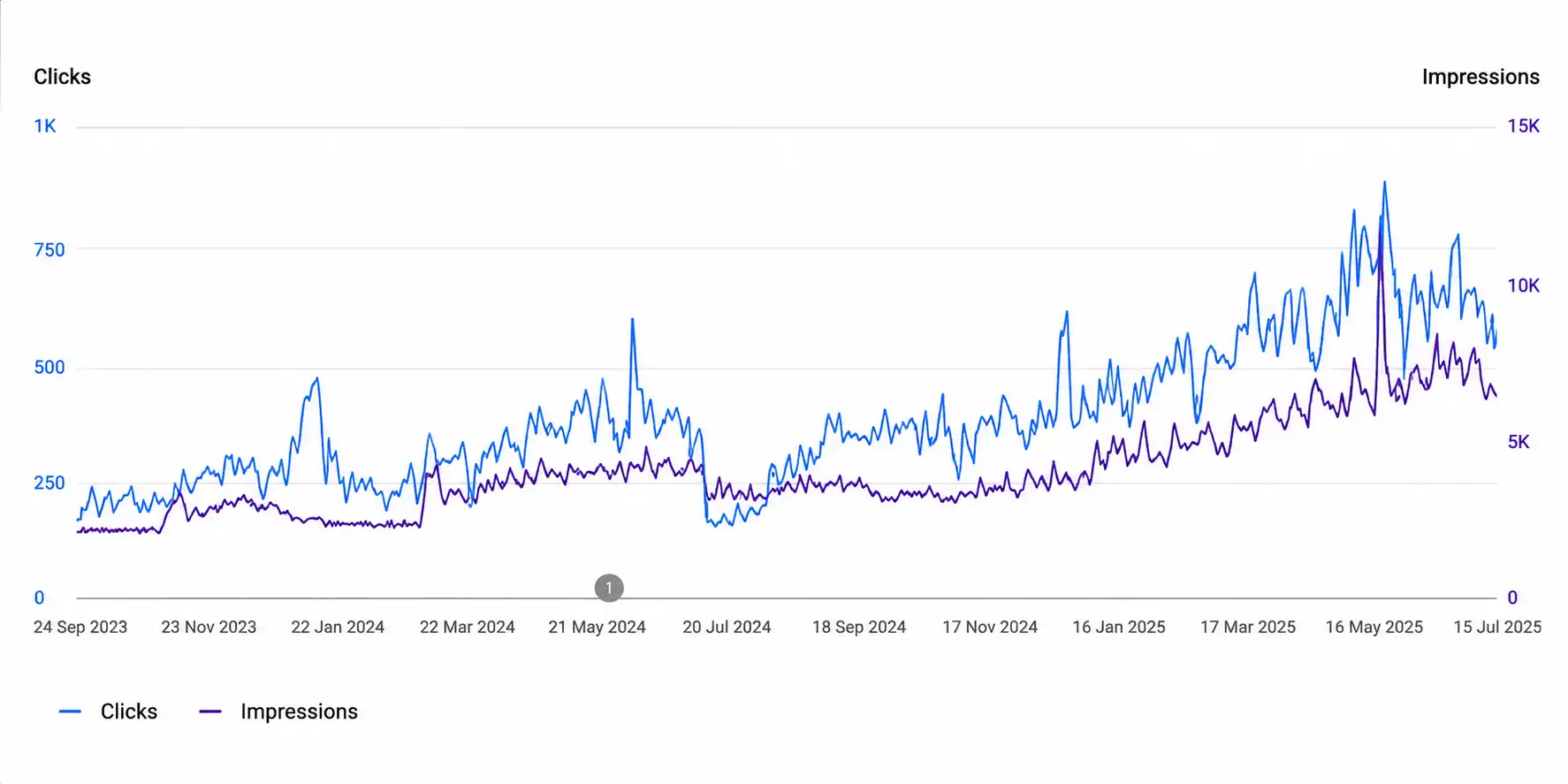
Over the course of the partnership our team managed to achieve solid growth in organic traffic:
Related case studies
Auto parts
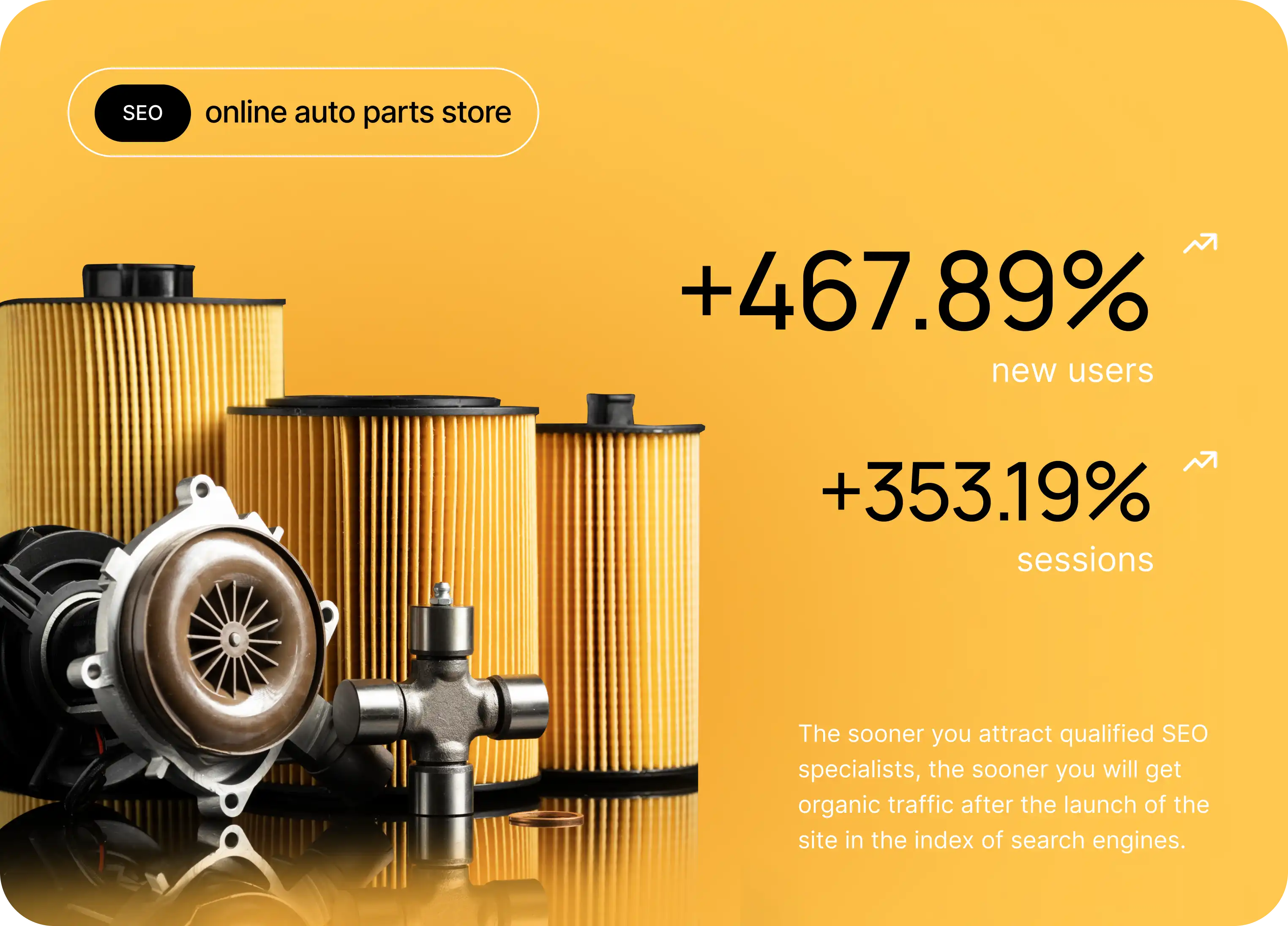
E-commerce SEO Case Study: Auto Parts Store
Auto parts store SEO case study: how a smart site structure, a strong semantic core, and step-by-step optimization of hundreds of thousands of pages delivered steady organic traffic.
Read more: E-commerce SEO Case Study: Auto Parts Store
 E-commerce SEO Case Study: Auto Parts Store
IT company
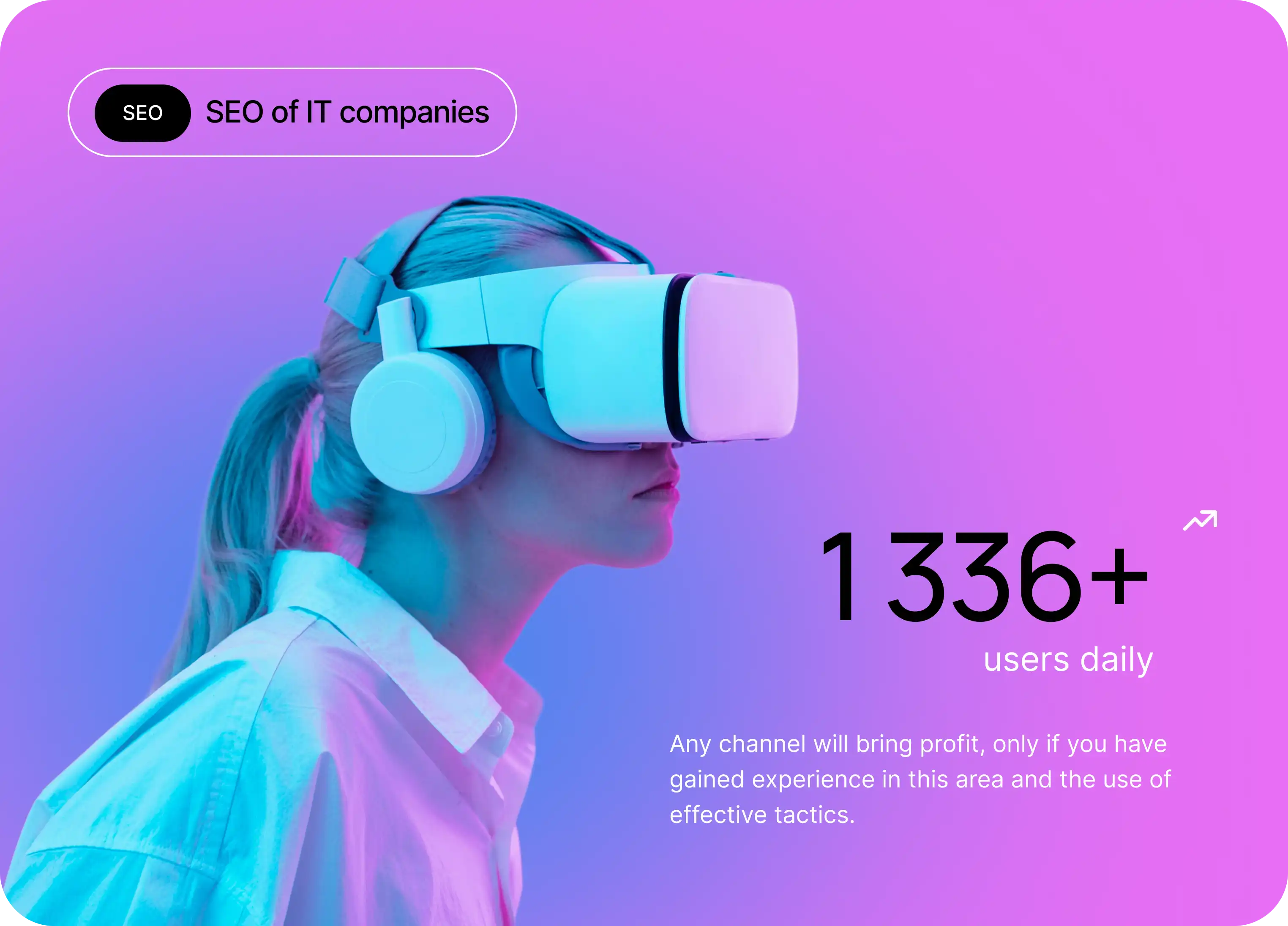
SEO for IT Companies: Case Study
First, let's clarify what makes an IT company different from a regular one. Can you call any company that uses computer technology in its work an IT company?
Read more: SEO for IT Companies: Case Study
 SEO for IT Companies: Case Study
SaaS
SaaS SEO Case Study: Promoting a SaaS Service Internationally
SaaS SEO case study: how a full technical audit, hreflang setup, and a steady backlink strategy helped an international SaaS service grow in Norway, the US, and the UK.
Read more: SaaS SEO Case Study: Promoting a SaaS Service Internationally
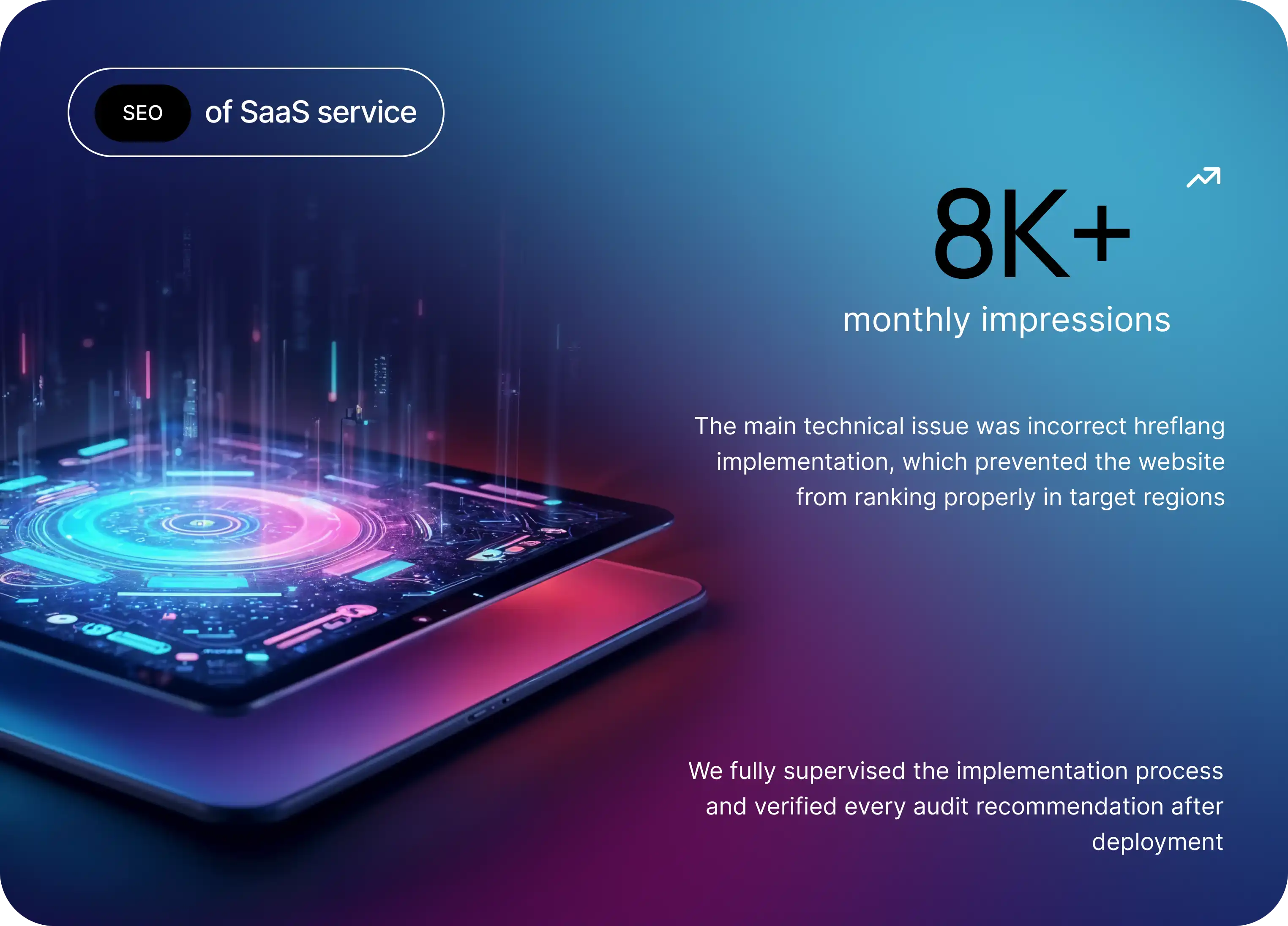 SaaS SEO Case Study: Promoting a SaaS Service Internationally
Auto accessories
Google Ads Case Study: Auto Accessories Store, 485% ROAS
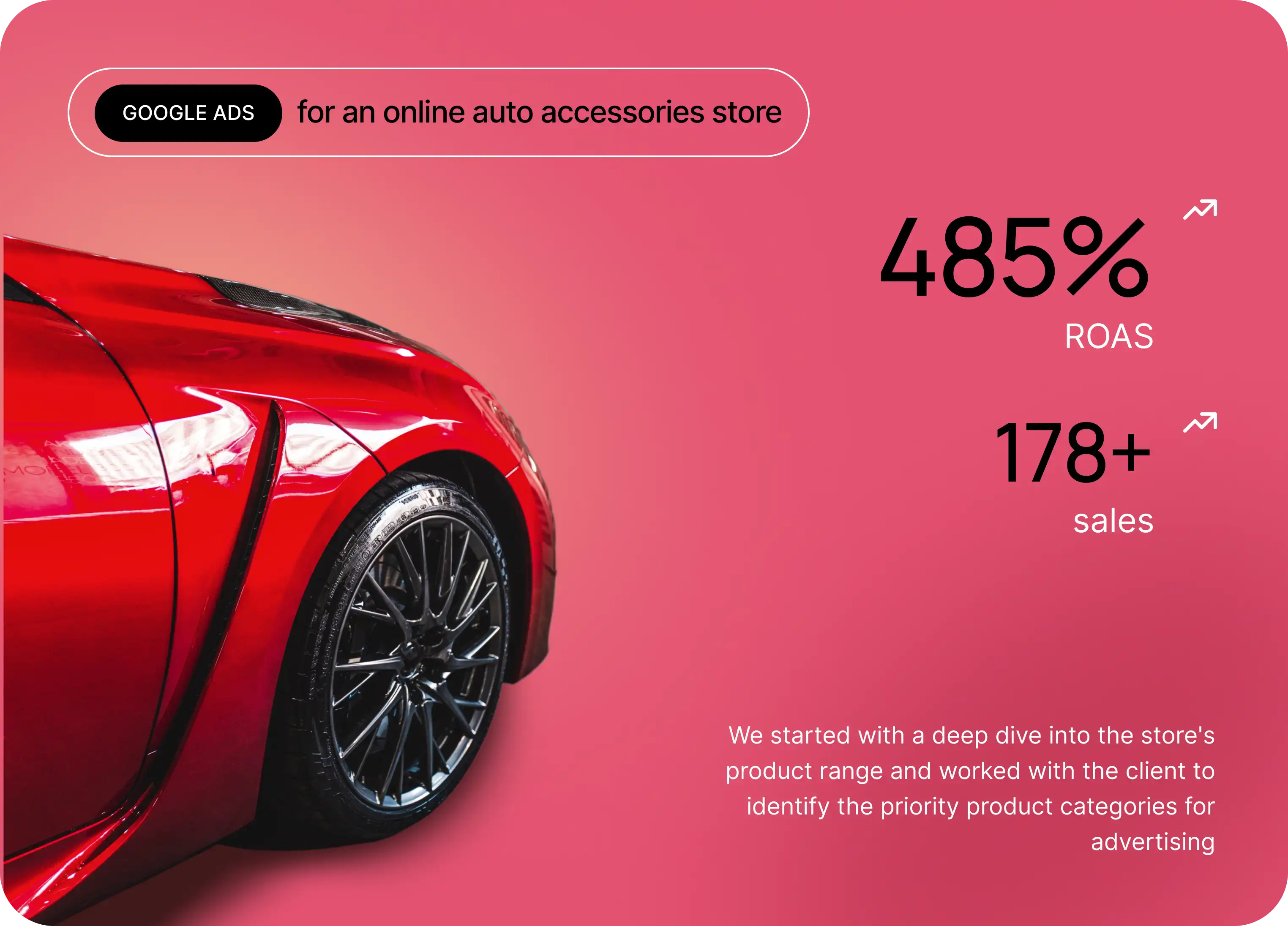 Google Ads Case Study: Auto Accessories Store, 485% ROAS
Mattresses
Google Ads Case Study: Mattress Online Store, 448% ROAS
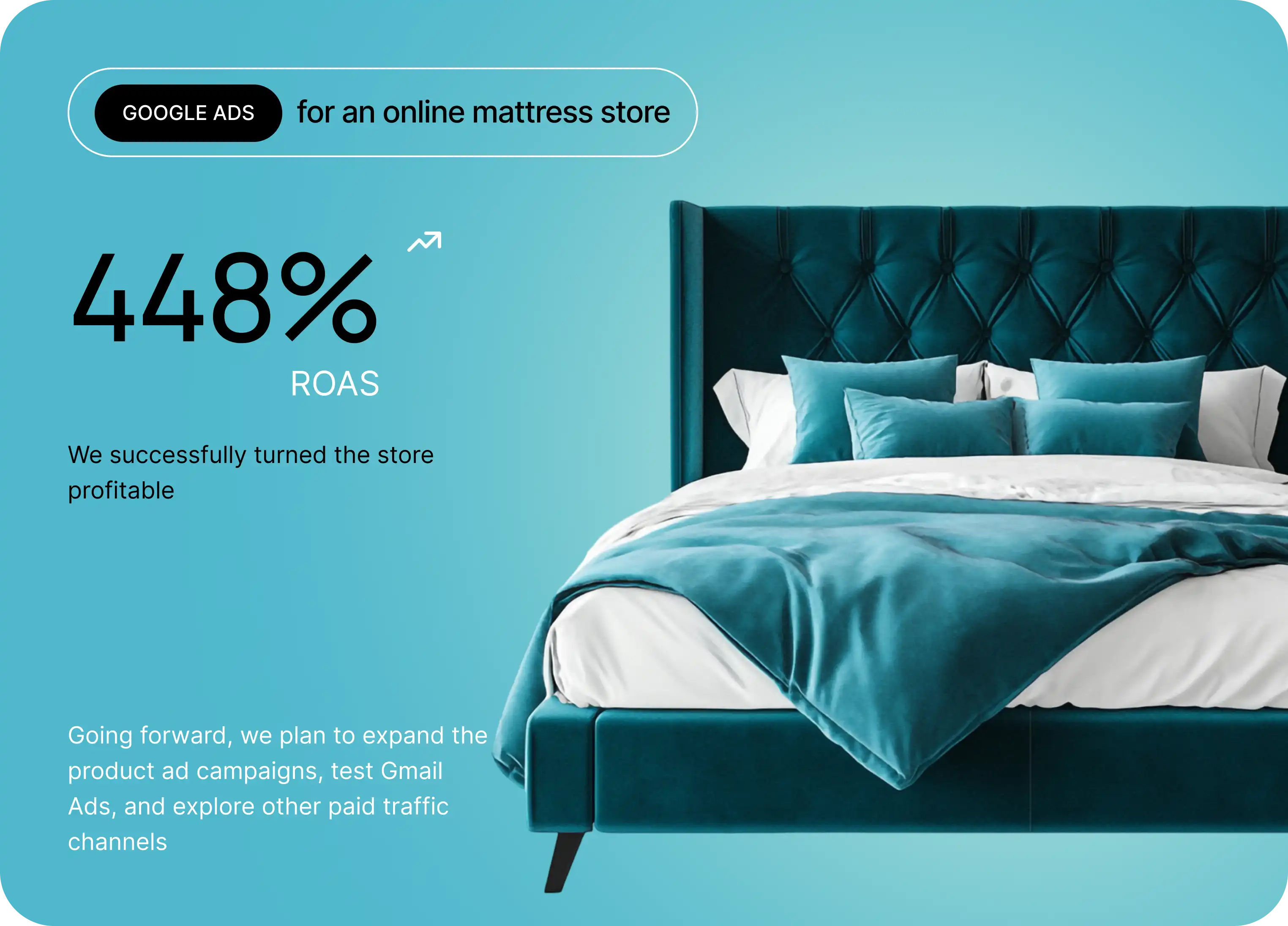 Google Ads Case Study: Mattress Online Store, 448% ROAS
Beauty
Permanent Makeup Studio SEO: Website Improvement Case Study
Permanent makeup studio website improvement case study: competitor analysis, usability fixes, SEO-optimized service pages, and an active promotion phase delivered solid results.
Read more: Permanent Makeup Studio SEO: Website Improvement Case Study
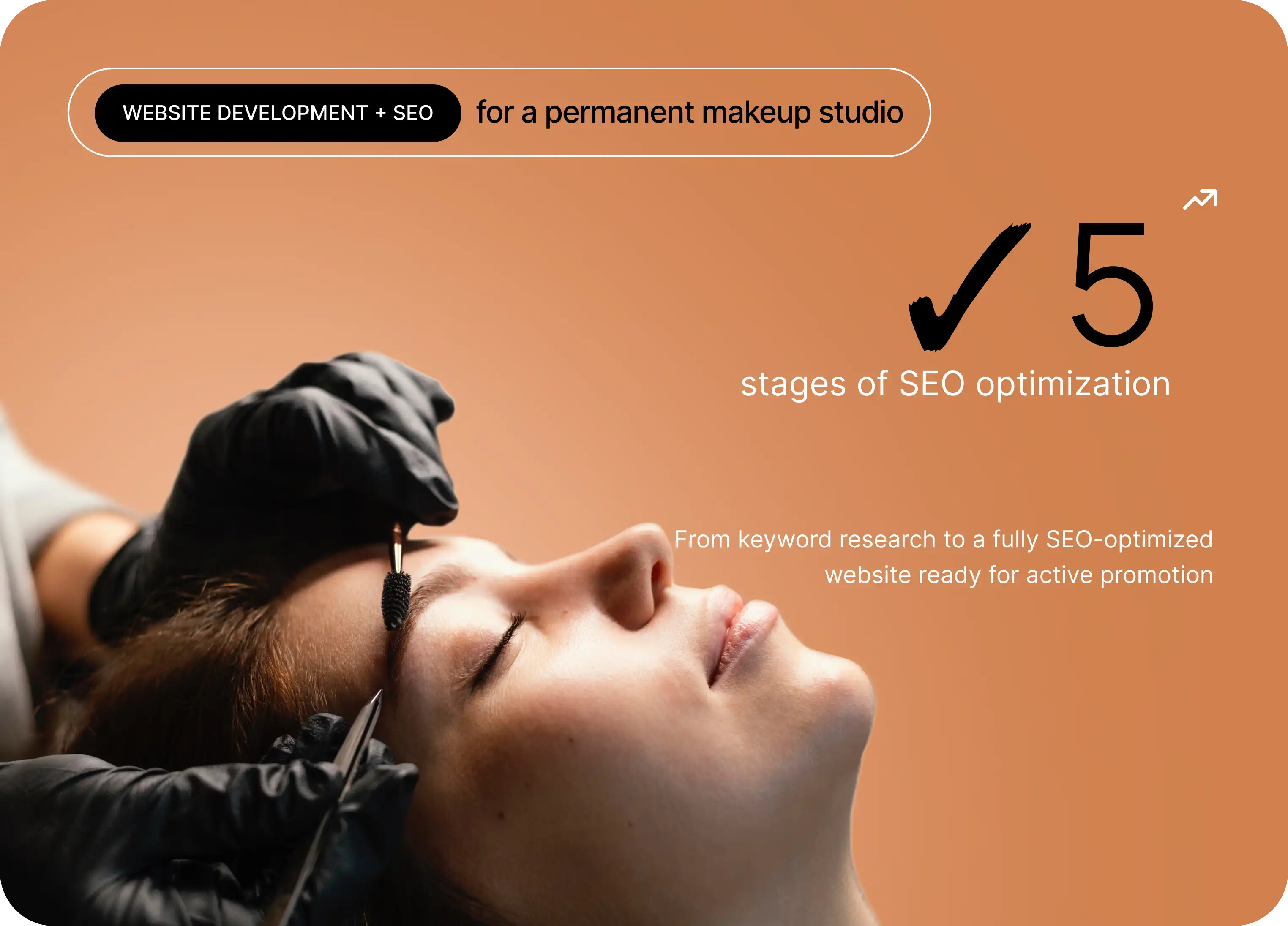 Permanent Makeup Studio SEO: Website Improvement Case Study